
Flowers
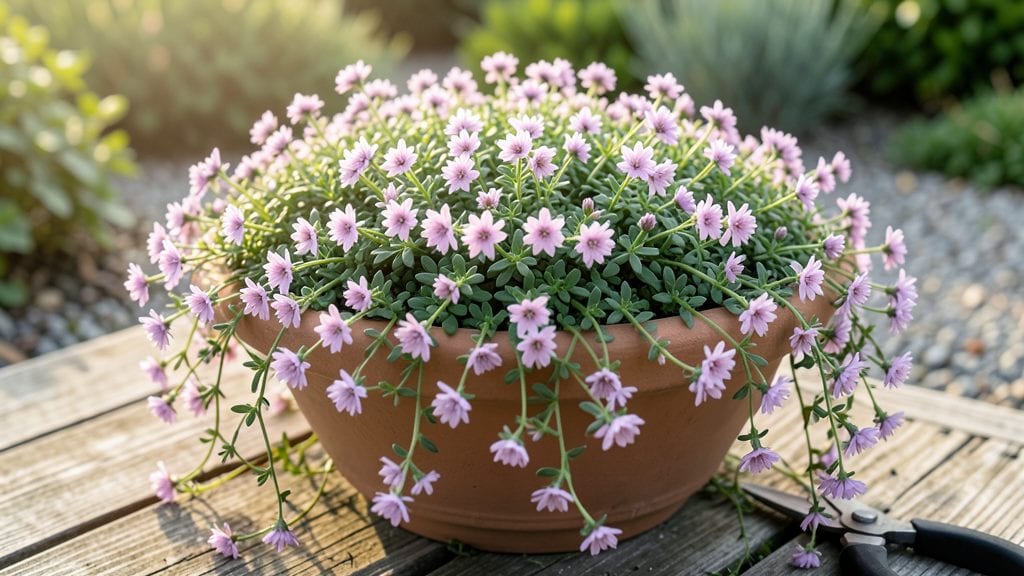
Growing a Sweet Alyssum 🌸 as a perennial plant means you get fragrant blooms that last through multiple seasons—but only if you choose the right variety and care for it properly.
Picture this: a garden bursting with honey-scented flowers even when frost is on the ground. That’s the magic of cold-hardy alyssum, but not all varieties make the cut.
Some wilt at the first sign of chill, while others thrive in Zone 6a and beyond—if you plant them at the right time and give them the care they need.
Spring is the perfect window to get yours in the ground, but timing and soil prep matter just as much as the variety. From March to April, you can set up Sweet Alyssum for years of blooms, as long as you avoid common pitfalls like overwatering or poor drainage.
The key? A little planning and a few simple tricks to keep it flourishing.
In this guide, I’ll walk you through the best cold-resistant varieties, step-by-step planting tips, and seasonal care—so you can enjoy that sweet, fragrant garden all year long, no matter what Mother Nature throws your way.

Top 5 cold-hardy Alyssum perennial varieties for frost-resistant gardens
When winter’s bite threatens your garden, perennial alyssum varieties like Alyssum saxatile and Alyssum montanum become lifelines—surviving Zone 4 winters with minimal fuss. These cold-hardy alyssums offer fragrant blooms and negligible winter care, making them perfect for frost-resistant gardens.
Unlike their annual cousins, these perennials return year after year, rewarding patience with sweet-scented flowers even after snowfall.
I’ve tested these varieties in my own Zone 5 garden, where temperatures dip below 0°F (-18°C). The key to success? Choosing hardy cultivars with dense foliage and deep root systems.
Below, I’ll break down the top 5 cold-hardy alyssums, their USDA hardiness zones, and why they thrive where others fail.
Here’s how they compare at a glance:
<comparison-table>| Variety | USDA Zone | Bloom Season | Fragrance Intensity | Mature Height | Winter Care |
|---|---|---|---|---|---|
| Alyssum saxatile 'Golden Tuft' | 3-8 | Late spring to summer | Moderate | 6-12 inches | Mulch in Zone 3 |
| Alyssum montanum 'White Mountain' | 3-7 | Early spring to late summer | Strong honey scent | 4-8 inches | None needed |
| Alyssum maritimum 'Snow Crest' | 5-9 | Spring to frost | Very strong | 3-6 inches | Cut back in fall |
| Alyssum murale 'Compactum' | 4-8 | Summer to fall | Mild | 6-10 inches | Mulch heavily |
| Alyssum argenteum 'Silver Carpet' | 5-9 | Spring to early summer | Light floral | 4-6 inches | None needed |
Alyssum saxatile 'Golden Tuft' tops my list for Zone 4 gardens. This golden-yellow bloomer thrives in rock gardens and dry slopes, surviving -30°F (-34°C) with minimal mulch. Its compact growth makes it ideal for edging pathways or spilling over walls. I’ve seen it rebound after snow cover with minimal browning, proving its cold resilience.
For early spring color, Alyssum montanum 'White Mountain' is unmatched. This white-blooming perennial emerges before snowmelt in Zone 3, offering fragrant blooms when few other plants do.
Its low-growing habit (just 4-8 inches) makes it perfect for ground cover under shrubs or trees. I’ve grown it alongside heuchera
How to plant and care for perennial Alyssum in cold climates
Perennial alyssum thrives in cold climates when planted correctly, offering year-round fragrance and frost resistance. The key lies in soil preparation, mulching techniques, and seasonal care adjustments.
Unlike its annual cousins, cold-hardy varieties like Alyssum saxatile can survive Zone 4 winters with minimal protection, while others need strategic winter prep.
Start by selecting a sunny location with well-draining soil—perennial alyssum hates soggy roots. Amend heavy clay with compost or sand to improve aeration. Plant in early spring or early fall to give roots time to establish before winter.
Pairing it with lavender or thyme enhances cold resilience through shared root benefits.
Step-by-Step Planting & Care for Cold-Climate Alyssum
- Step 1: Prepare soil by mixing 1 part compost with 2 parts native soil. Test pH (6.0–7.0)—perennial alyssum prefers slightly acidic conditions.
- Step 2: Plant 6–12 inches apart in full sun (6+ hours). Dig holes twice as wide as root balls to reduce transplant shock.
- Step 3: Apply 2–3 inches of mulch (straw or shredded leaves) after planting. Mulch insulates roots and retains moisture during freeze-thaw cycles.
- Step 4: Water deeply once weekly in spring/fall; reduce to bi-weekly in winter. Avoid overwatering before frost—wet soil freezes easier.
- Step 5: Deadhead spent blooms in late summer to encourage fall reblooming. Stop deadheading by September to allow seed heads to protect crowns over winter.
- Step 6: In late fall, add 4–6 inches of mulch (straw or pine needles) to insulate crowns. Remove mulch in early spring to prevent rot.
- Step 7: Fertilize lightly in spring (5-10-5) and skip winter feeding. Over-fertilizing stimulates tender growth vulnerable to frost.
To extend the bloom season, plant early and late varieties together. For example, pair Alyssum saxatile (spring blooms) with Alyssum montanum (fall blooms). This creates a continuous fragrance from April to October in Zone 5+.
In colder zones, focus on fall planting—roots establish before winter, giving plants a head start in spring regrowth.
When first frost arrives, protect tender varieties with burlap wraps or frost cloth. Avoid plastic—it traps condensation and causes root rot. In Zone 4 or colder, choose dwarf varieties like Alyssum 'Compactum'—their low-growing habit makes them less susceptible to windburn and snow damage.
Revive dormant plants in early spring by trimming dead foliage and applying a thin layer of compost. Resume watering when soil reaches 50°F (10°C). If leaves appear yellow or mushy, it’s a sign of overwatering—reduce frequency and improve drainage immediately.
With proper care, your perennial alyssum will reward you with sweet-smelling blooms for decades.
🌱