
Light Requirements
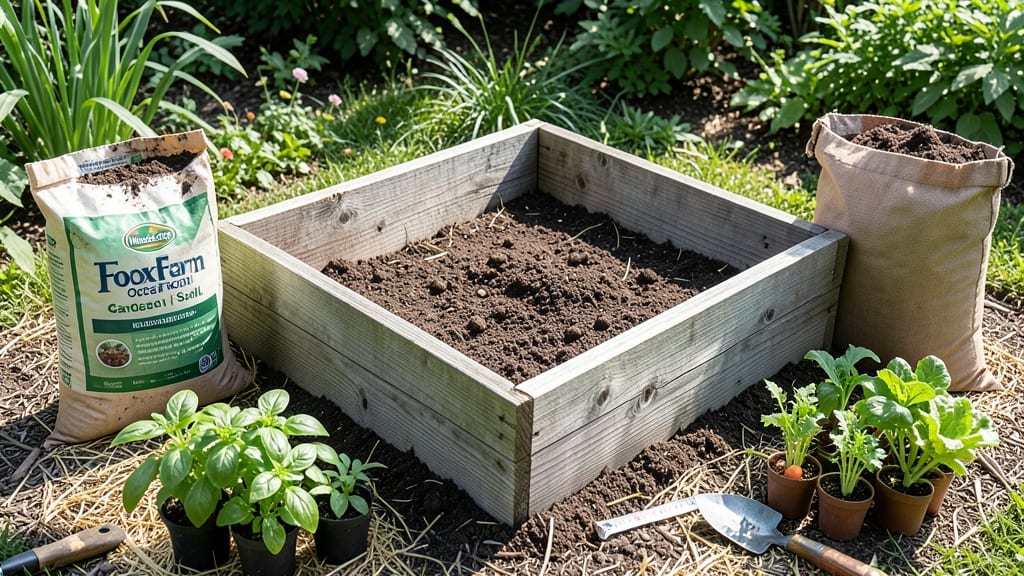
A 4 x 8 raised garden bed needs 2.67 cubic feet of soil per inch of depth—for example, a 6-inch bed requires 16 cubic feet, while a 12-inch bed needs 32 cubic feet. Always factor in extra soil for settling and drainage.
Calculating soil volume for a 4x8 raised bed is straightforward once you know the formula: multiply length × width × depth in feet. 🌱 For instance, a 6-inch deep bed (0.5 feet) requires 16 cubic feet of soil, while deeper beds like 12 inches (1 foot) need 32 cubic feet.
This ensures proper root growth and drainage, especially for vegetables like tomatoes that need deeper soil.
Most gardeners aim for 6–12 inches of depth—enough to support most plants while keeping costs manageable. If your soil is heavy clay or sandy, consider adding compost to improve texture and moisture retention.
For example, a 4x8 bed filled to 8 inches will need about 21 cubic feet of soil, giving you room to adjust based on your plants' needs.
💡 In This Article
- Calculating Soil Volume for Raised Garden Beds
- Best Soil Mixes and Depths for 4x8 Raised Beds
Calculating soil volume for raised garden beds
The formula for calculating soil volume in a 4 x 8 raised bed is based on simple geometry: multiply the length (4 feet) by width (8 feet) by depth (in feet). For example, a bed filled to 6 inches (0.5 feet) requires 16 cubic feet of soil.
This works because the volume of a rectangular prism is length × width × height, and converting inches to feet (dividing by 12) ensures accurate measurements. 🌱
Depth plays a critical role in plant health. Most vegetables thrive in 6–12 inches of soil, as this accommodates root systems while preventing compaction. For instance, tomatoes need 12–18 inches for deep roots, while lettuce grows well in just 6 inches.
The 2.67 cubic feet per inch rule comes from multiplying the bed’s surface area (32 square feet) by the depth in feet—so 1 inch = 2.67 cubic feet.
Understanding this helps avoid common mistakes like underfilling beds or overestimating soil needs. For a 10-inch deep bed, you’d need 26.7 cubic feet of soil, but always add 10% extra to account for settling and drainage.
This extra space ensures roots have room to expand and water can drain properly, preventing root rot. 💧
Real-world adjustments matter too. If your bed has sloping sides, the actual volume increases slightly. For example, a bed with angled edges might hold 5–10% more soil than a flat-sided one. Measuring the interior dimensions before purchasing soil ensures you buy the right amount without waste.
For those using pre-mixed soil bags, check the cubic feet per bag—most contain 0.5–1 cubic foot. A 6-inch bed (16 cubic feet) would need 16–32 bags, depending on bag size.
Buying in bulk or mixing your own soil (e.g., 60% topsoil, 30% compost, 10% perlite) can save money while improving drainage and fertility. 🌿
Pro tip: Use a soil depth gauge to verify fill levels after planting. Roots need consistent depth, and uneven filling can lead to poor growth. For example, if you plant tomatoes in one corner, ensure the soil depth there matches the rest of the bed to avoid stressing the plants.