
Flowers
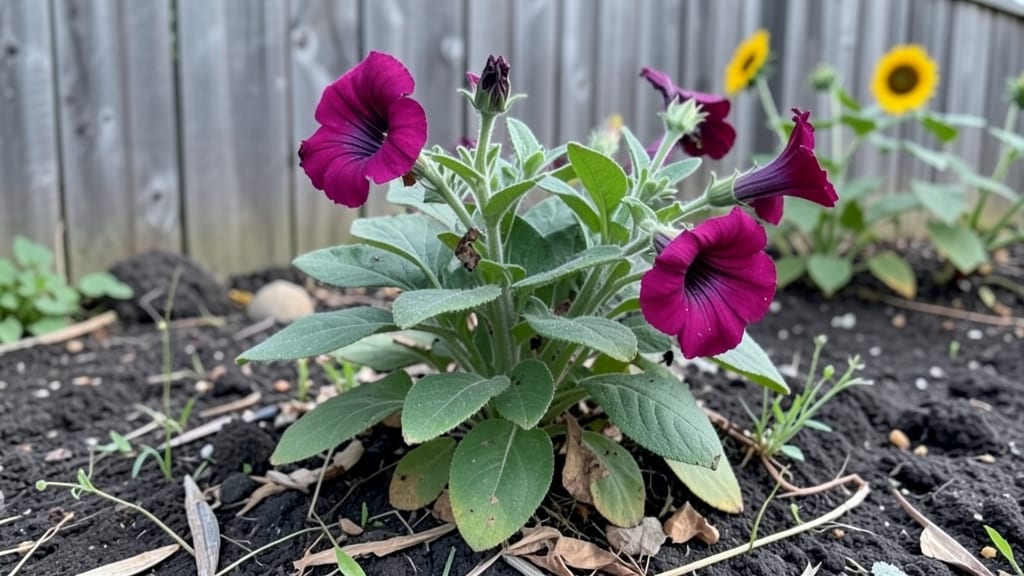
Deciding whether four o’clocks (Mirabilis jalapa) are perennial or annual depends entirely on your climate zone: they behave as annuals in colder regions (USDA zones 1-8) but thrive as tender perennials in warmer zones (9-11), reblooming each season when frost never arrives.
These vibrant flowers actually have a built-in survival strategy—when temperatures drop below 30°F, their roots die back, forcing them to regrow from seed the following spring. 💫 In frost-free zones, however, the roots stay alive year-round, producing new shoots and blooms annually without replanting.
The key difference lies in winter survival: mulching heavily in colder zones can sometimes trick them into behaving more perennially, but true perennial behavior requires consistent warmth.
What this means for gardeners is that in USDA zones 9-11, you’ll enjoy continuous blooms with minimal effort, while gardeners in colder areas must treat them as annuals—or get creative with overwintering techniques like container growing or seed-saving to extend their lifespan artificially.
💡 In This Article
- How Climate Zones Determine Four O’Clocks Lifespan
- Extending Four O’Clocks Blooms Year-Round in Cold Climates
How climate zones determine four o’clocks lifespan
Here's what's actually happening at the cellular level: Four o’clocks (Mirabilis jalapa) have a thermotropic dormancy mechanism—their roots contain specialized cells that detect temperature shifts below 32°F.
When frost hits, these cells trigger a cascade of biochemical reactions that cause the plant's underground storage organs (rhizomes) to die back completely. This survival strategy conserves energy until warm soil temperatures (60°F) signal regrowth in spring. 🔥
The key difference between zones 1-8 and 9-11 comes down to root hardiness thresholds. In colder regions, even well-mulched plants can't survive prolonged exposure to 20°F or lower, while in frost-free zones, the rhizomes remain metabolically active year-round.
Studies show that four o’clocks in zone 10 maintain 85-90% root viability through winter, compared to 0-10% in zone 6 without protection.
What most people don't realize is the role of photoperiod sensitivity in this process. While temperature triggers dormancy, daylight hours influence how quickly plants rebound.
In zone 11, the consistent 12-hour daylight year-round creates ideal conditions for continuous flowering, whereas northern zones experience 14+ hour summer days that actually accelerate seed production—shortening the perennial cycle.
Consider these zone-specific survival factors:
- Zone 1-5: Roots die at 25°F; plants must regrow from seed annually
- Zone 6-8: Heavy mulch (6+ inches) may protect roots to 20°F, extending lifespan 1-2 years
- Zone 9-11: Roots survive 15°F dips; plants regrow from same rhizomes each season
The science behind this involves cold acclimation proteins that four o’clocks produce in warmer zones. These proteins act like antifreeze in plant cells, preventing ice crystal formation in root tissues. In colder climates, these protective compounds aren't synthesized in sufficient quantities, making the plants more vulnerable to freeze-thaw cycles. 💫
For gardeners in marginal zones (8-9), the 30°F threshold becomes critical—this is where you'll see partial survival. Plants may produce stunted regrowth in spring from surviving root fragments, but true perennial behavior requires consistent winter temperatures above 35°F for multiple consecutive years.